
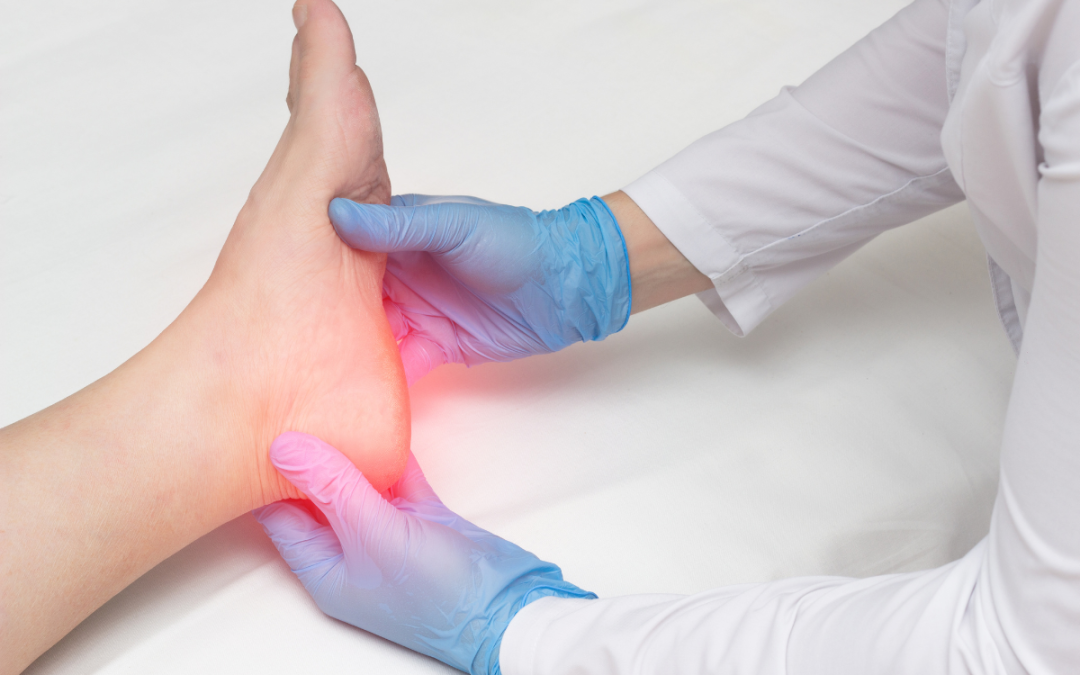
Heel pain can turn everyday activities into uncomfortable experiences. Whether you feel sharp pain when getting out of bed, discomfort after standing for hours, or soreness following exercise, persistent heel pain can affect your mobility and quality of life. One of the most common causes is plantar fasciitis, a condition affecting the thick band of tissue along the bottom of the foot.
At Advantage Foot & Ankle Specialists, we help patients throughout Ferndale, Royal Oak, Birmingham, Pleasant Ridge, and nearby Southeast Michigan communities understand their heel pain and explore effective treatment options. Our goal is to identify the underlying cause, relieve discomfort, and help patients return to their daily activities with greater confidence.
Understanding Plantar Fasciitis and Heel Pain
The plantar fascia is a strong band of connective tissue connecting your heel bone to your toes. It supports your foot’s arch and absorbs stress during walking, running, and standing. When this tissue experiences repeated strain, small injuries and changes within its structure can develop, leading to plantar fasciitis.
What Causes Plantar Fasciitis?
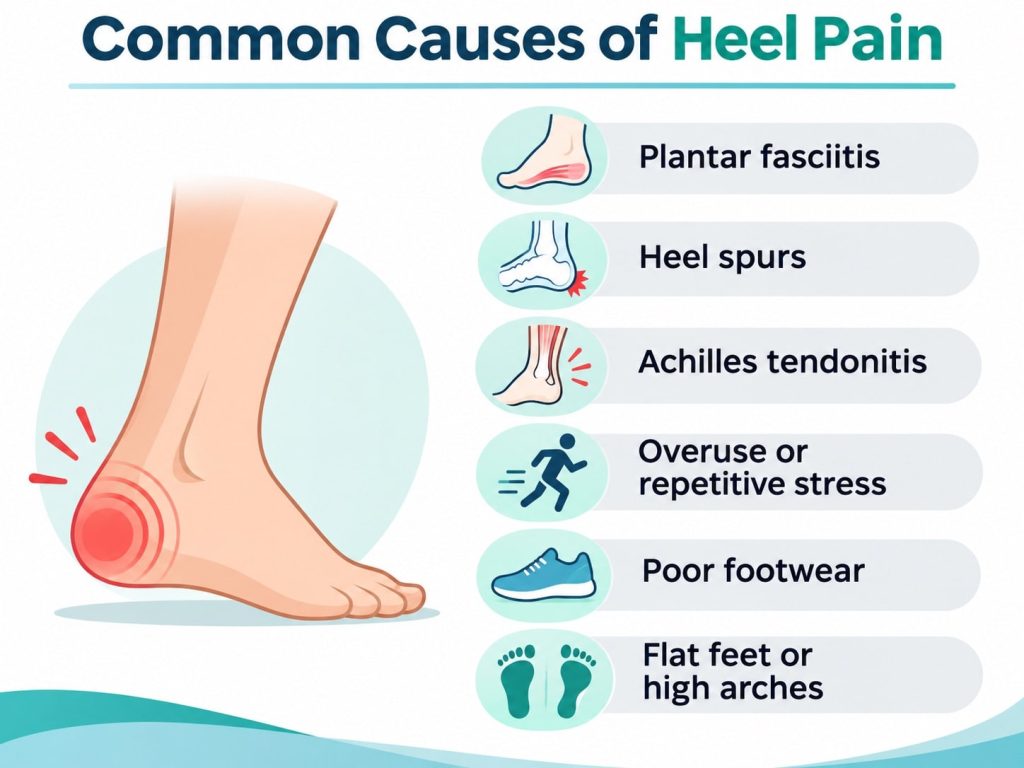
Several factors can increase stress on the plantar fascia, including:
- Prolonged standing or walking
- Running and repetitive physical activities
- Flat feet or unusually high arches
- Tight calf muscles
- Shoes with inadequate support
- Sudden increases in exercise intensity
- Excess body weight
- Abnormal walking mechanics
People who work on hard surfaces or participate in recreational sports may experience additional strain on their feet. Understanding these contributing factors helps us recommend treatments that address the source of discomfort rather than simply managing symptoms.
Common Signs and Symptoms of Plantar Fasciitis
Plantar fasciitis often develops gradually. Recognizing its symptoms can help patients seek treatment before discomfort becomes persistent.
Sharp Heel Pain in the Morning: One of the most recognizable symptoms is stabbing pain near the bottom of the heel when taking your first steps after waking up. The plantar fascia can become stiff during rest, making those initial steps particularly uncomfortable.
Pain After Sitting or Resting: Patients may experience heel pain after sitting for extended periods. Discomfort sometimes improves after walking briefly but returns following additional activity.
Heel Pain After Physical Activity: Running, exercising, or standing throughout the day can aggravate the affected tissue. Although these symptoms commonly indicate plantar fasciitis, other conditions, including stress fractures and nerve irritation, can cause similar discomfort. A professional evaluation helps determine the actual cause.
Conservative Heel Pain Treatment Options
Many patients experience significant improvement with nonsurgical treatments. Our approach focuses on reducing strain while supporting the body’s natural healing process.
Rest and Activity Modification: Continuing activities that aggravate heel pain can delay recovery. We may recommend temporarily reducing high impact exercise, adjusting walking routines, or choosing activities such as swimming or cycling. These changes help reduce pressure on the plantar fascia without requiring patients to abandon physical activity completely.
Ice Therapy and Pain Management: Applying ice to the affected heel can temporarily reduce discomfort. Appropriate pain relief medications may also be considered depending on a patient’s medical history. Although these measures help control symptoms, addressing the underlying causes remains essential for lasting improvement.
Stretching and Physical Therapy for Plantar Fasciitis
Stretching and strengthening exercises are important components of many plantar fasciitis treatment plans. Gentle plantar fascia stretches can improve flexibility and reduce morning stiffness. Calf and Achilles tendon stretches may also help decrease excessive tension on the heel.
Strengthening exercises targeting the foot and ankle muscles can improve stability and support healthier movement patterns. At our office we emphasize choosing exercises appropriate for each patient’s condition. Consistent rehabilitation can help restore comfort and support a gradual return to regular activities.
Custom Orthotics for Heel Pain Relief
Foot structure and walking mechanics significantly influence how pressure is distributed across the heel. For patients with flat feet, high arches, or abnormal foot mechanics, custom orthotics may provide additional support. These specially designed shoe inserts help redistribute pressure and improve foot stability. Potential benefits include:
- Improved arch support
- Reduced pressure on sensitive areas
- Greater comfort when walking
- Improved foot alignment
- Additional support during everyday activities
We evaluate each patient’s foot structure and symptoms to determine whether custom orthotics may be beneficial. Orthotics generally work best alongside stretching, strengthening, and other appropriate treatments.
Night Splints and Supportive Footwear
Patients experiencing significant morning heel pain may benefit from night splints. These devices maintain a gentle stretch in the plantar fascia and calf muscles while sleeping, potentially reducing discomfort during the first steps of the day.
Supportive footwear is equally important. Shoes with adequate cushioning, arch support, and a comfortable fit can reduce unnecessary pressure on the heel. We encourage patients who spend long hours standing to pay particular attention to their everyday footwear.
Advanced Treatment Options for Persistent Heel Pain
Although most patients improve with conservative care, some experience persistent symptoms requiring additional evaluation. Depending on the condition, treatment options may include corticosteroid injections for temporary pain relief or short term immobilization using a walking boot. Our priority is helping patients understand their options and make informed decisions based on their symptoms and individual needs.
Comparing Heel Pain and Plantar Fasciitis Treatment Options
| Treatment Options | Best For | Primary Benefit |
|---|---|---|
| Rest and Activity Modification | Early symptoms | Reduces repetitive strain |
| Ice and Pain Management | Temporary discomfort | Helps control pain |
| Stretching and Physical Therapy | Mild to chronic cases | Improves flexibility and strength |
| Custom Orthotics | Foot structure concerns | Redistributes pressure |
| Night Splints | Morning heel pain | Reduces stiffness |
| Corticosteroid Injections | Selected persistent cases | Temporary pain relief |
| Surgical Treatment | Severe resistant cases | Addresses persistent symptoms |
The appropriate treatment depends on symptom severity, duration, and underlying causes.
Why Early Heel Pain Treatment Matters
Many people assume heel pain will disappear without treatment. While mild cases sometimes improve with home care, persistent discomfort should not be ignored. When patients change how they walk to avoid pain, additional stress may develop in other areas of the feet, ankles, knees, or legs.
Early evaluation can help identify the problem, reduce discomfort, and prevent prolonged mobility limitations. For patients throughout Ferndale and Southeast Michigan, timely treatment can make returning to normal routines easier.
How Heel Pain Treatment Supports Overall Foot Health
Heel pain can sometimes develop alongside other foot conditions. For example, flat feet may increase stress on the plantar fascia, while high arches can create uneven pressure distribution. Addressing these related concerns can improve overall foot function and comfort. Other services that may support patients include:
- Custom Orthotics
- Flat Feet Treatment
- Sports Injury Care
- Ankle Pain Treatment
- Diabetic Foot Care
By considering how these conditions interact, we can help patients develop healthier foot care habits.
Frequently Asked Questions
What Is the Fastest Way to Relieve Plantar Fasciitis Pain?
Reducing activities that aggravate the heel, applying ice, wearing supportive footwear, and performing gentle stretches may provide initial relief. Persistent symptoms usually require a more comprehensive treatment approach.
Can Plantar Fasciitis Go Away Without Treatment?
Some mild cases improve with rest and lifestyle adjustments. However, symptoms can persist for months, especially when the underlying source of strain remains unaddressed.
How Long Does Plantar Fasciitis Take to Heal?
Recovery varies depending on severity, activity level, and treatment consistency. Some patients improve within weeks, while others require several months or longer.
Do Custom Orthotics Help With Heel Pain?
Custom orthotics can improve comfort by supporting the arch and redistributing pressure. They are particularly useful for certain foot mechanics concerns and are often combined with stretching and strengthening exercises.
When Should I See a Podiatrist for Heel Pain?
We recommend an evaluation when heel pain persists, repeatedly returns, affects walking, or interferes with daily activities. Sudden severe pain or an inability to bear weight requires prompt medical attention.
Take the First Step Toward Lasting Heel Pain Relief
Heel pain and plantar fasciitis can interfere with work, exercise, and everyday routines. However, understanding the cause and receiving appropriate care can make a meaningful difference. At Advantage Foot & Ankle Specialists, we help patients throughout Ferndale, Royal Oak, Birmingham, Pleasant Ridge, and surrounding Southeast Michigan communities explore personalized solutions for heel pain.
Whether you’re experiencing occasional morning discomfort or persistent plantar fasciitis symptoms, we’re here to help you take the next step toward better foot health. Contact us today to schedule an appointment and discover your options for lasting heel pain relief.
Recent Comments